Vacuum Furnace Designs & Configurations
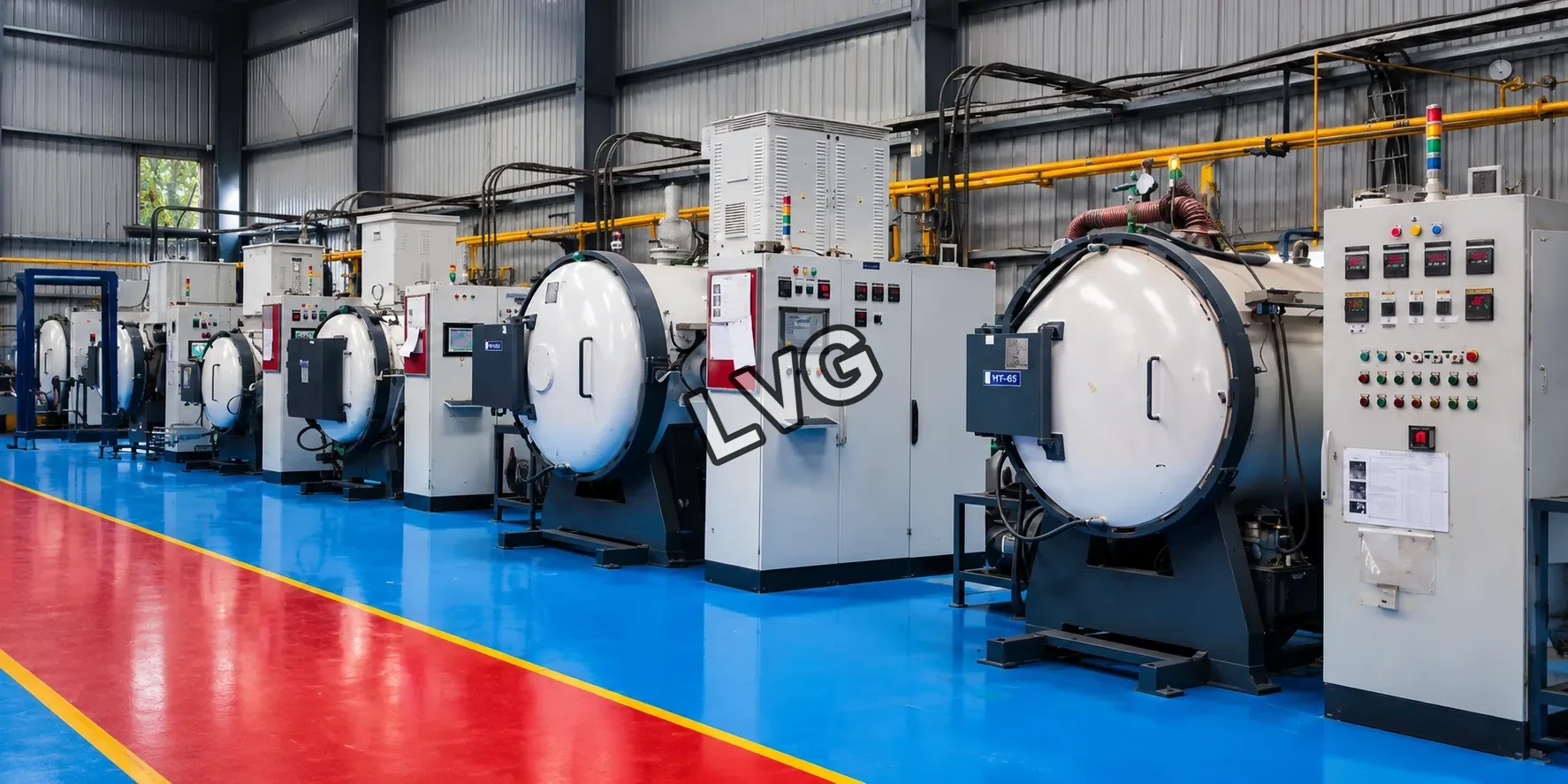
Every vacuum furnace is defined by how it is built and how it runs a cycle. The choices below set the working area, achievable temperature and vacuum, cooling speed and level of automation — and together they decide which processes the furnace can handle. We select the configuration from your material, load size, required temperature uniformity and process cycle.
| Configuration | Options | What it decides |
|---|---|---|
| Chamber design | Single-chamber batch, double-chamber (integrated quench), multi-chamber / continuous batch | Throughput, cycle flexibility and quench handling |
| Orientation | Horizontal configuration, vertical configuration | Load geometry — long shafts vs. tall stacks and rings |
| Vacuum level | Low / rough vacuum, medium / fine vacuum, high vacuum — full rough and fine vacuum range | Surface cleanliness and which materials can be processed |
| Heating method | Radiant (resistance) heating, convection heating for lower-temperature work | Temperature uniformity and heat-up rate across the load |
| Hot zone | Graphite hot zone, all-metal (molybdenum) hot zone | Maximum temperature, cleanliness and outgassing |
| Cooling / quench | High-pressure gas quenching (HPGQ) at 6 / 10 / 12 bar with N₂ or Ar, gas quench, oil quench | Hardening response and distortion control |
| Temperature uniformity | ± 3 °C / ± 6 °C (AMS 2750 Latest Revision) | Part-to-part repeatability and certification |
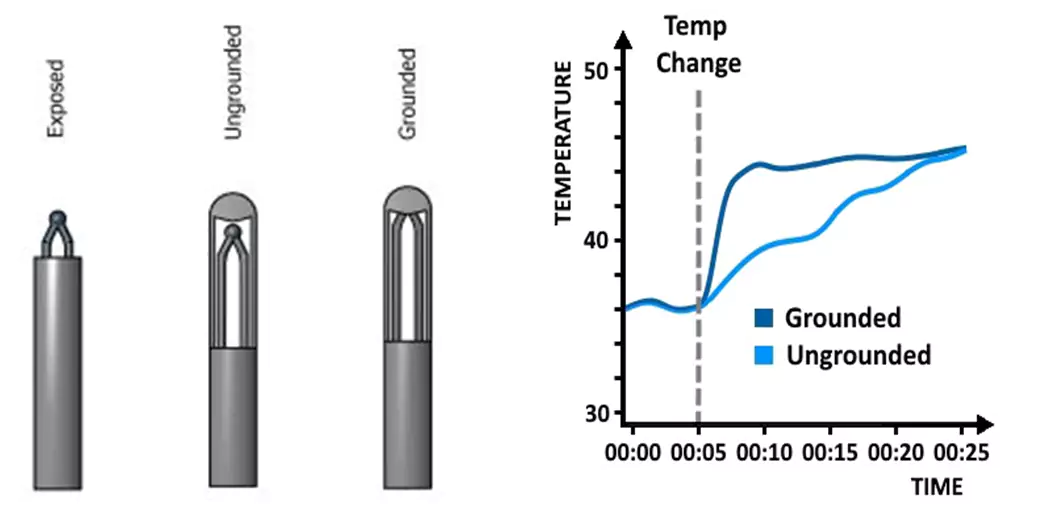
| Control & instrumentation | PLC / IPC with SCADA computer control system, recipe management, data acquisition (DAS) | Cycle repeatability, traceability and process monitoring |